
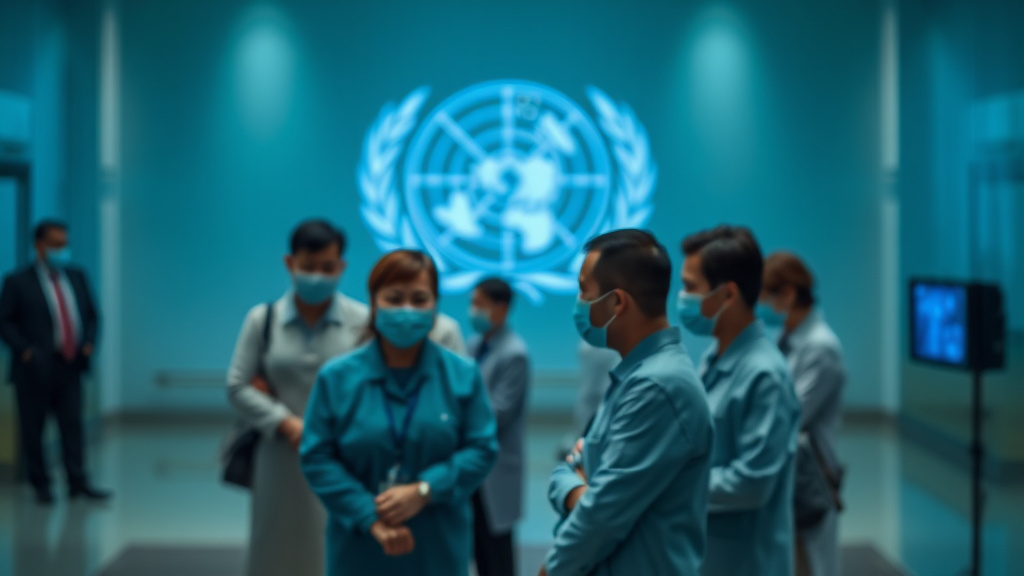
In a major move to counter the growing threat of epidemic diseases globally, the World Health Organization has launched an ambitious new initiative designed to bolster global disease surveillance and rapid response capabilities. This broad-based effort is designed to address critical gaps in pandemic preparedness, improve rapid identification mechanisms, and strengthen coordination among nations. By bringing together resources and knowledge, the WHO works to avert emerging outbreaks from becoming catastrophic worldwide health crises, conceivably saving millions of lives.
Global Response Strategy
The WHO’s recent effort creates a coordinated framework that allows nations to work collectively in addressing epidemic risks. By implementing consistent guidelines and data pathways, countries can exchange essential disease data in instantaneous manner, enabling quicker detection of novel infectious agents. This coordinated method reinforces the worldwide disease prevention infrastructure, guaranteeing that resources are deployed optimally and deliberately to contain outbreaks before they cross international boundaries and continents.
Central to this strategy is the establishment of response centers across regions outfitted with cutting-edge diagnostic equipment and skilled staff. These hubs will act as primary protective barriers, delivering immediate technical support and direction to affected nations. The initiative focuses on institutional strengthening in emerging economies, where resources are typically scarce, ensuring equitable access to monitoring systems and crisis management knowledge. Through this collaborative framework, the WHO aims to create a truly interconnected global health system.
The effort also focuses on investment in advanced technology and AI for disease monitoring. Machine learning algorithms will process vast datasets to anticipate transmission trends and detect vulnerable regions before cases emerge. This preventive methodology constitutes a fundamental change from after-the-fact interventions to prevention-focused approaches. Advanced tracking systems will observe pathogen mutations and spread dynamics, allowing health authorities to refine actions quickly and efficiently.
Moreover, the WHO pledges to building stronger relationships with industry participants, educational organizations, and NGOs. This collaborative ecosystem drives advancement in immunization creation, disease detection, and therapeutic treatments. By eliminating divisions between public health agencies and research entities, the effort advances scientific progress and ensures rapid deployment of solutions. Clear and honest information exchange increases public confidence and enhances public participation in prevention initiatives.
Deployment and Core Elements
The WHO’s effort works within a multi-tiered structure combining digital advancement, global collaboration, and budget management. This strategic approach integrates existing surveillance networks with new digital platforms, facilitating instantaneous data transmission between nations. By setting defined standards and funding mechanisms, the organization ensures involved states can establish full-scale surveillance infrastructure. The initiative prioritizes vulnerable regions, enhancing healthcare infrastructure where epidemics present the highest threat to international stability.
Prompt Recognition Approaches
Sophisticated monitoring systems forms the backbone of the WHO’s early detection infrastructure. The initiative utilizes AI and machine learning algorithms to examine health data trends, detecting potential outbreaks before they spread widely. Testing facilities across member countries receive upgraded equipment and training to improve diagnostic accuracy. This integrated network enables rapid identification of novel infectious agents, enabling health authorities to implement containment measures swiftly and effectively.
The timely detection framework also highlights community engagement and community-based reporting channels. Healthcare workers in remote areas receive training to recognize unusual disease patterns and report findings through secure digital channels. The WHO provides real-time feedback and recommendations to frontline personnel, building a agile network. This grassroots approach guarantees outbreaks are discovered at their source, enhancing response success and reducing spread risk.
Quick Response Units
Expert rapid deployment teams are prepared to deploy within forty-eight hours of disease confirmation. These multidisciplinary units comprise epidemiologists, lab experts, logisticians, and communication experts. Teams complete comprehensive training in disease investigation, specimen collection, and field epidemiology. The WHO maintains pre-positioned equipment and supplies in priority regions worldwide, guaranteeing teams can rapidly respond to emerging threats with minimal delays.
Response teams coordinate effectively with national health authorities and community groups, respecting cultural sensitivities while putting in place essential control strategies. Training prioritizes open dialogue with the public to preserve confidence during emergencies. The initiative provides psychological assistance for team members operating in high-threat conditions. Regular review and feedback discussions improve protocols, guaranteeing each response produces important insights for subsequent responses.
- Deploy epidemiologists in under two days worldwide
- Conduct epidemiological investigations and sample gathering procedures
- Work with regional health agencies and government officials
- Offer real-time analytical data and outbreak monitoring
- Establish containment strategies and prevention measures
Expected Outcomes and Future Impact
The WHO’s initiative is projected to yield transformative results within the next five years. Improved monitoring systems will enable faster discovery of emerging pathogens, markedly shortening response periods. Countries putting these procedures in place can expect improved disease tracking capabilities and more advanced laboratory facilities. The initiative is designed to implement uniform reporting systems across all participating nations, establishing a integrated international framework. Preliminary estimates suggest that rapid intervention protocols could prevent up to 80% of potential outbreaks from escalating to pandemic levels, fundamentally reshaping how the world responds to disease-related threats.
Looking ahead, this initiative promises to establish a novel framework for worldwide health collaboration and preparedness. By channeling funds into infrastructure, training, and knowledge sharing, the WHO anticipates a future where disease outbreaks are quickly contained at their source. Member nations will leverage collaborative research findings, synchronized immunization programs, and robust health infrastructure. The enduring consequences extends beyond controlling illness spread to creating adaptable health frameworks capable of withstanding future health threats, ultimately establishing a protected international community for all populations and generations to come.
