
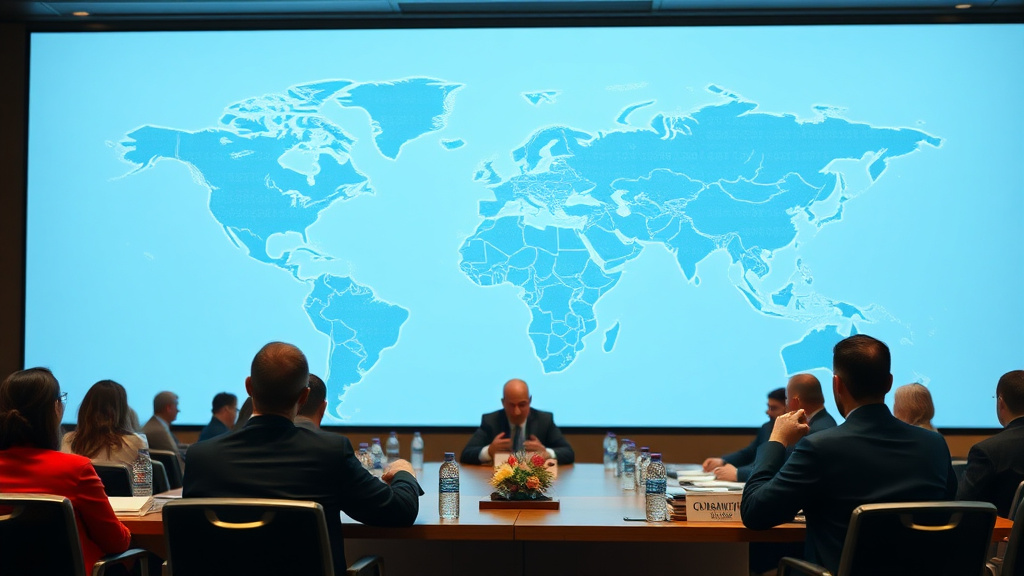
After extended periods of intensive negotiations across numerous regions, international representatives have achieved a pivotal breakthrough in developing a far-reaching global trading pact. This groundbreaking accord is poised to transform global commerce by cutting tariffs, harmonizing standards, and fostering economic cooperation among participating nations. As regional disputes threaten to fragment global trade systems, this milestone reflects an uncommon agreement. Discover how this agreement addresses contentious issues, which nations spearheaded the effort, and what consequences it carries for firms and buyers around the world.
Major Advances in Trade Talks
The negotiating teams have reached agreement on several contentious issues that earlier blocked progress, including farm subsidies, IP protections, and online commerce rules. Representatives from 150+ nations gathered in Geneva the previous week to finalize frameworks addressing these essential areas. The breakthrough came after intensive bilateral discussions and deliberate trade-offs from leading economies, showing unprecedented support for cooperative frameworks. This cooperative strategy has reinvigorated optimism among involved nations and observers who expected further deadlock.
Substantial compromises were reached regarding tariff reduction timelines, with developed nations accepting expedited timeframes for market entry in growth markets. Environmental and labor standards have been enhanced through mandatory provisions, addressing worries from advocacy groups. The agreement includes innovative dispute resolution mechanisms created to forestall upcoming trade disagreements and maintain enforcement. These advances reflect a balanced approach that safeguards at-risk sectors while encouraging equitable competition and environmentally responsible expansion across all participant nations.
Framework and Key Objectives
The multilateral agreement sets up a detailed system designed to enable smooth commerce across signatory states while tackling modern financial pressures. Primary goals include reducing tariff barriers by an roughly 15-20%, standardizing technical specifications, and creating transparent dispute resolution mechanisms. The agreement prioritizes sustainable development, e-commerce advancement, and supply chain stability. By creating defined procedures and enforceable commitments, negotiators sought to build stability in worldwide commerce while shielding struggling industries through gradual implementation timelines and adjustment assistance programs.
Economic Effects Evaluation
Economic modeling points to the agreement could boost global GDP by 2-3% over the coming ten years, with developing nations potentially experiencing stronger economic growth. Preliminary analyses indicate significant expansion opportunities in tech, farming, and industrial production sectors. Trade volume projections forecast a 25% rise in cross-border transactions among participating nations. However, certain traditional industries face adjustment pressures requiring employee skill development and updated infrastructure spending to remain competitive in the liberalized marketplace.
Sectoral impacts vary considerably across economies and regions. Export-dependent nations project considerable revenue increases, while import-competing industries voice concerns about competitive pressure. Financial services, telecommunications, and renewable energy sectors represent major beneficiaries. Consumer goods prices are projected to fall due to reduced tariffs and greater competitive intensity. Regional disparities in execution capacity necessitate targeted development assistance and capacity-building initiatives to ensure equitable benefits distribution across participating nations.
Key Stakeholder Views and Issues
Labor unions express worry regarding likely workforce reductions in manufacturing and agriculture sectors, calling for strong support programs and compensation protection mechanisms. Environmental advocates support sustainability provisions but call for tougher enforcement mechanisms and climate commitments. Agricultural lobbies offer mixed responses—large exporters welcome better market opportunities while small farmers express concern about competition from subsidized foreign producers. Pharmaceutical and technology companies back intellectual property safeguards, whereas developing nations advocate for low-cost medications and knowledge-sharing measures helping their populations.
Small and medium enterprises express concerns about compliance costs and complex regulatory requirements, requesting capacity-building support and simplified procedures. Advocacy consumer groups embrace cost reduction prospects but require safety and quality standard maintenance. Emerging economies stress technology transfer provisions and financial assistance for infrastructure expansion. Trade unions worldwide call for employment standard enforcement preventing pay competition races. Government representatives weigh domestic political pressures against international commitments, seeking implementation flexibility while preserving agreement credibility and long-term partnership viability.
Future Implications and Next Steps
The multilateral agreement establishes a strong framework for sustained economic partnership, with participating nations committing to phased implementation over the next five years. This schedule allows companies sufficient time to prepare while ensuring compliance with new standards. Economists predict significant GDP growth across signatory nations, with notable gains for smaller businesses obtaining increased trade openings. The agreement also establishes conflict resolution procedures to address potential conflicts, strengthening the foundation for enduring market stability and reliability in global markets.
Looking ahead, negotiators have arranged quarterly review meetings to monitor implementation progress and tackle new obstacles. Future discussions will concentrate on expanding the agreement’s coverage to include digital commerce and sustainable development provisions. Countries are also considering additional bilateral arrangements to deepen specific trade relationships. This collaborative approach demonstrates a dedication to ongoing enhancement, guaranteeing the framework adapts with worldwide economic conditions and technological progress while preserving the consensus achieved during these critical negotiations.
