
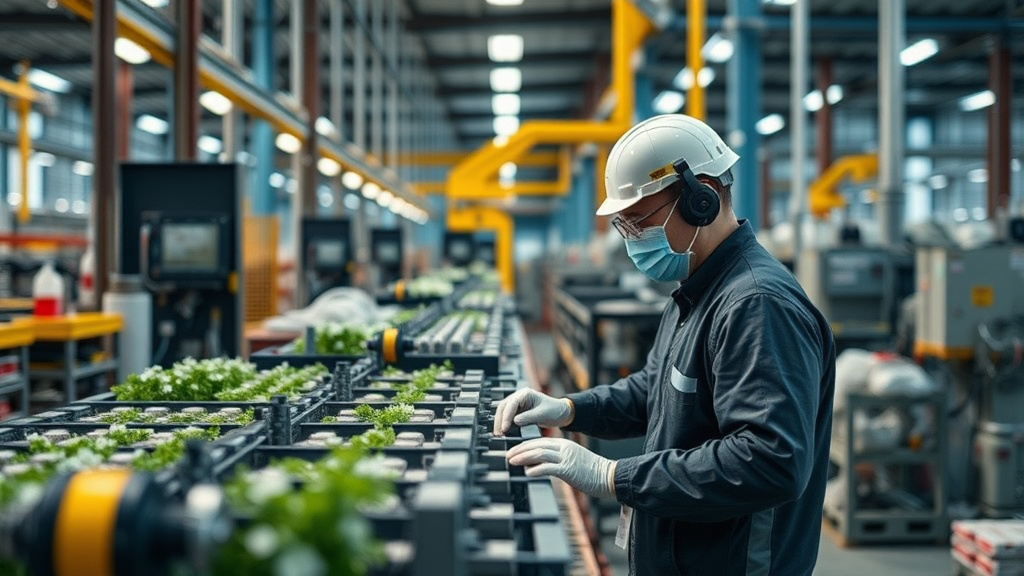
As environmental concerns grow stronger and consumer demand for eco-friendly products accelerates, international manufacturers are substantially reshaping their manufacturing approaches. From lowering greenhouse gas output to minimizing waste, market frontrunners are adopting sustainable technologies and practices that deliver both environmental benefits and long-term profitability. This article explores how major manufacturers are reshaping their operations, the challenges they face in this shift, and the breakthrough approaches driving the shift toward a more sustainable manufacturing landscape.
The Expansion of Eco-Friendly Industrial Practices
The manufacturing sector is witnessing a significant change as companies acknowledge the vital significance of environmental responsibility in their business activities. Propelled by strict environmental standards, investor pressure, and shifting consumer preferences, manufacturers worldwide are rethinking their production methods. This transformation signifies more than compliance—it demonstrates a deliberate acknowledgment that sustainable practices can improve efficiency, decrease operational costs, and enhance brand standing. Industry leaders are investing billions in environmentally friendly innovations, sustainable power solutions, and circular economy models that lessen ecological consequences while preserving market competitiveness in an more sustainability-focused worldwide marketplace.
Environmental responsibility in manufacturing encompasses multiple dimensions, from sourcing raw materials responsibly to reducing energy use and effectively managing waste streams. Organizations are adopting advanced technologies such as AI, Internet of Things sensors, and automated systems to track and lower their environmental footprint. Past technological advancement, this movement demands significant shifts in organizational culture, supply chain operations, and stakeholder engagement. As manufacturing leaders demonstrate that profitability and sustainability are compatible goals, their achievements is inspiring widespread adoption across the industry of green practices, creating a ripple effect that promises to reshape the manufacturing sector for decades to come.
Primary Factors Underlying the Change
The shift toward sustainable manufacturing is propelled by multiple interconnected factors transforming the worldwide industrial sector. Government regulations, consumer expectations, and competitive market dynamics are compelling manufacturers to emphasize environmental stewardship. Additionally, technological innovations in clean energy sources and reducing waste have made sustainability economically viable, helping organizations reduce operational costs while satisfying stakeholder expectations for greener practices.
Regulatory Requirements and Compliance
Governments in countries around the world are putting in place more rigorous environmental regulations that mandate sustainable manufacturing practices. The European Union’s Circular Economy Action Plan, carbon pricing mechanisms, and trading systems for emissions create legal imperatives for manufacturers to embrace cleaner production methods. Failure to comply results in major penalties, supply chain disruptions, and reputational damage, forcing companies to allocate funding toward sustainable infrastructure and processes to preserve market position and operational legitimacy.
International agreements and national environmental policies establish clear performance standards that manufacturers must achieve. These compliance structures drive development of pollution control, waste reduction, and efficient resource use. Organizations that promptly adjust with changing requirements obtain market benefits, landing government contracts and relationships with green-minded organizations while preventing expensive penalties and regulatory constraints.
Customer Demand and Market Forces
Modern consumers are increasingly choosing eco-friendly products, shaping purchasing decisions and brand loyalty. Market research indicates that sustainable practices improve brand reputation and consumer connection, especially with younger demographics. Manufacturers meeting this demand capture growing market segments, differentiate themselves from competitors, and create more robust customer relationships through clear communication on environmental commitments and environmentally conscious offerings.
Financial investors and institutions are prioritizing environmentally responsible businesses, directing capital toward businesses demonstrating ecological accountability. This financial pressure incentivizes producers to adopt sustainable practices, as availability of funding becomes contingent on sustainability benchmarks. Companies embracing sustainability attract environmentally aware investors, enhance stock valuations, and lock in favorable financing terms while positioning themselves advantageously in an increasingly sustainability-focused worldwide market.
Implementation Strategies and Benefits
Manufacturing companies are implementing broad-based strategies to integrate sustainability into their primary business activities. Key approaches include investing in renewable energy sources, upgrading to advanced efficient systems, and establishing circular economy models that minimize waste. Many organizations are also deploying efficient manufacturing practices and performing periodic environmental reviews to identify improvement opportunities. These strategies require significant capital investment and workforce training, yet companies acknowledge that proactive measures today avoid expensive compliance problems tomorrow while enhancing their market competitiveness.
The advantages of eco-friendly production methods extend far beyond environmental protection. Companies achieve significant financial savings through decreased power consumption, lower waste disposal expenses, and better operational performance. Strengthened brand image appeals to environmentally conscious consumers and investment partners, while stronger employee satisfaction and retention follow from roles within values-based businesses. Additionally, sustainability measures often drive advances in product design and efficiency enhancement, generating fresh market possibilities and income sources that offset initial implementation costs, ultimately providing substantial ROI.
