
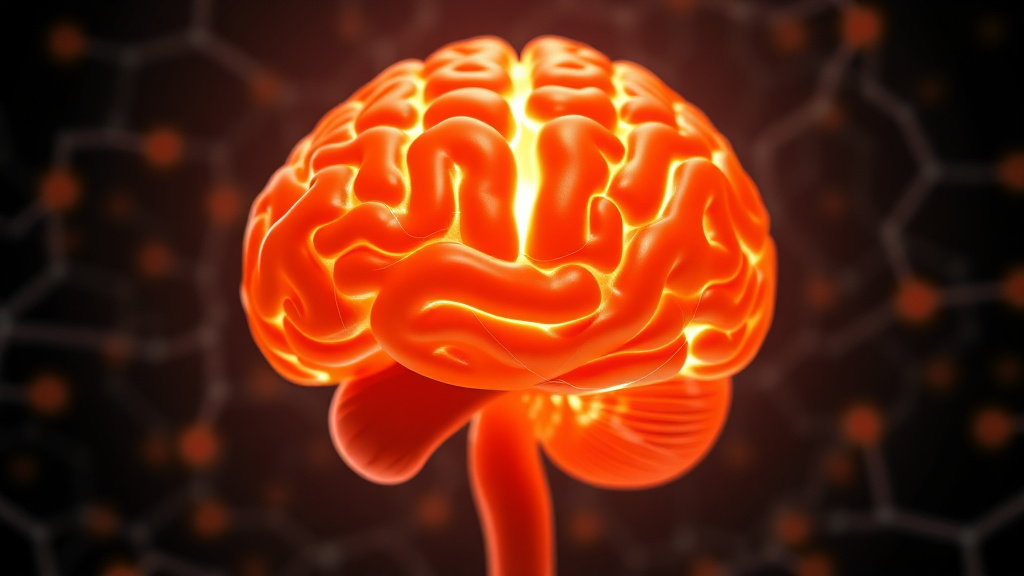
Recent cutting-edge research has unveiled a fascinating link between the tiny microbes inhabiting our digestive system and our brain’s mental performance. Scientists have discovered that gut bacteria play a surprisingly significant role in memory, focus, and overall mental performance. This article explores the growing body of research behind the gut-brain axis, examining how trillions of microorganisms influence everything from learning capacity to decision-making. Learn what these results mean for your health and how you might improve your gut health to enhance cognitive function.
The Gut-Brain: Understanding the Link
The gut-brain connection constitutes a bidirectional communication system connecting the gastrointestinal tract with the central nervous system. This intricate system involves neural, hormonal, and immune pathways that facilitate constant dialogue between intestinal microbes and the brain. Contemporary studies has demonstrated that this relationship is significantly more complex than previously understood, with emerging evidence indicating that bacterial populations in our intestines substantially affect mental functions. Scientists now recognize the gut microbiome as a metaphorical “second brain,” capable of affecting mood, memory, and mental clarity through several biochemical processes.
Understanding the gut-brain axis has revolutionized our understanding on cognitive health and neurological disorders. The relationship operates through several key channels, including the vagal pathway, which serves as a direct communication highway between the digestive system and brain. Additionally, gut bacteria generate metabolites and signaling molecules that traverse the blood-brain barrier, significantly affecting neural function. This groundbreaking knowledge has opened novel treatment pathways for addressing mental deterioration, anxiety, depression, and neurodegenerative diseases by focusing on the microbiome rather than only focusing on brain chemistry.
How Intestinal Microbiota Influence Brain Function
Gut bacteria exert their influence on brain function through the generation of bioactive compounds and neurotransmitters that modulate neurological processes. These microorganisms synthesize essential molecules including serotonin, dopamine, and gamma-aminobutyric acid, which control mood, motivation, and cognitive performance. The bacterial metabolites, especially short-chain fatty acids generated during fiber fermentation, reinforce the intestinal barrier and decrease inflammation throughout the body. This protective mechanism stops toxins from reaching circulation and reaching the brain, thereby maintaining mental performance and reducing brain inflammation that could compromise memory and learning.
The microbial community also shapes brain function by regulating immune responses and reducing systemic inflammation. A balanced, robust microbiome supports intestinal integrity and prevents the “leaky gut” phenomenon, where bacterial lipopolysaccharides can initiate neuroinflammatory responses. Furthermore, specific bacterial strains generate neuroactive compounds that boost neuroplasticity—the brain’s capacity for forming new neural connections critical for learning and memory formation. Research indicates that individuals with diverse, balanced microbiomes display superior cognitive performance relative to those with weakened microbial diversity.
Key Neural Messengers and Microbial Synthesis
Neurotransmitters are chemical messengers essential to cognitive function, and notably, gut bacteria generate significant quantities of these essential compounds. About 90% of the serotonin in your body is produced in the digestive system by particular bacteria, affecting mood, sleep, and cognitive processing. Similarly, microbes generate this neurotransmitter, which impacts motivation, focus, and reward processing in the brain. Gamma-aminobutyric acid, produced by certain Lactobacillus and Bifidobacterium species, serves as the brain’s primary inhibitory neurotransmitter, promoting relaxation and reducing anxiety. These microbial-derived neurotransmitters directly impact brain function and psychological well-being.
Beyond classical neurotransmitters, gut bacteria generate numerous neuromodulatory compounds that optimize brain function. Short-chain fatty acids like butyrate, propionate, and acetate arise from microbial breakdown of dietary fiber and deliver neuroprotective effects. These metabolites improve mitochondrial function, promote neurogenesis, and strengthen the blood-brain barrier. Additionally, microbial endotoxins and other immunogenic compounds regulate microglial activation, influencing neuroinflammation levels. The intricate interaction between microbial metabolite production and neurological health underscores why maintaining a healthy microbial ecosystem is essential for optimizing cognitive performance and safeguarding from age-related cognitive decline.
Research Findings and Research Data
Current studies have demonstrated compelling evidence of the gut-brain connection through numerous clinical trials and neuroimaging research. Scientists utilizing advanced sequencing technologies have discovered specific bacterial strains that generate neurotransmitters such as serotonin and dopamine, which significantly affect mental performance. A seminal study featured in a top-tier neuroscience journal demonstrated that those with diverse microbial communities exhibited better results on standardized cognitive assessments versus those with reduced bacterial diversity. These findings indicate a direct correlation between bacterial diversity and greater mental clarity.
Researchers have likewise identified the role of short-chain fatty acid compounds, metabolic byproducts generated by helpful microorganisms, in maintaining brain health and cognitive performance. Experimental models show that these compounds reinforce the blood-brain barrier and reduce neuroinflammation, conditions known to impair memory and concentration. Furthermore, longitudinal studies tracking participants over several years have shown that those who preserved healthy gut ecosystems experienced fewer age-related cognitive declines. These research findings provide substantial evidence supporting the physiological processes underlying the gut-brain axis connection.
Practical Implications for Brain Health
Understanding the gut-brain connection opens promising opportunities for enhancing cognitive performance through dietary and lifestyle modifications. By cultivating a diverse microbiome through prebiotics, probiotics, and fermented foods, individuals can potentially improve memory function and mental sharpness. Healthcare professionals increasingly recognize that improving digestive system health represents a practical, accessible strategy for mental performance improvement. This knowledge enables people to make deliberate choices toward better brain function through thoughtful food selections and personalized wellness approaches.
Going forward, these discoveries suggest that brain health interventions should focus on gut microbiota composition as a essential part. Future medical practices may regularly evaluate microbiome health when evaluating cognitive impairment or mental function issues. Research remains focused on identifying certain bacterial types most advantageous for brain function, enabling targeted probiotic therapies. As research builds, improving gut microbiota may become routine in preventative healthcare, offering a scientifically-supported method to preserving mental acuity across the lifespan.
