
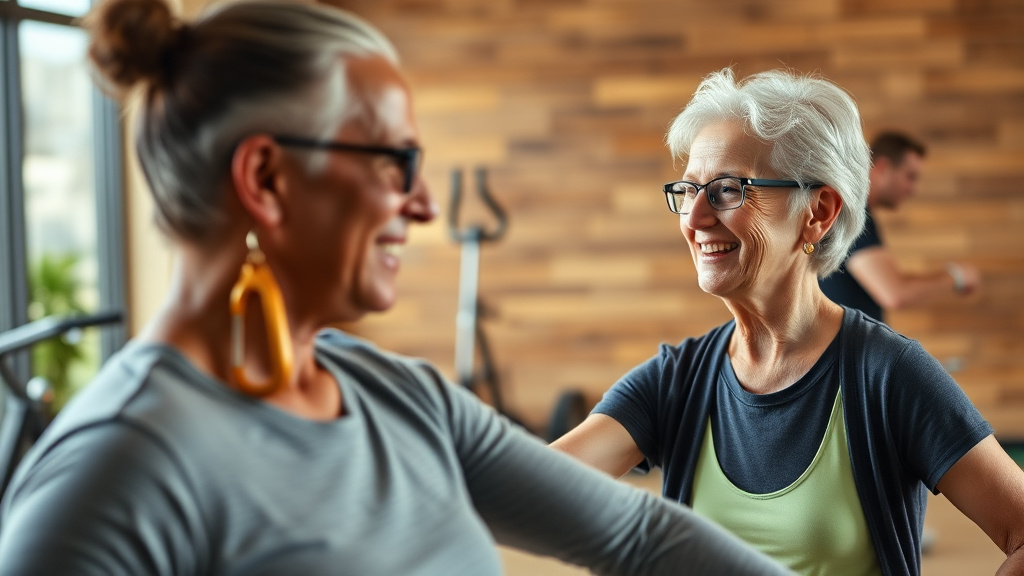
As we age, preserving physical fitness becomes ever more important for preserving independence and overall well-being. New research reveals that workout programs specifically designed for seniors can dramatically enhance overall strength, movement, and physical function. This article examines evidence-based exercise programs designed to address the unique needs of aging individuals, showing how purposeful physical training can help prevent falls, improve balance, and enable older adults to stay independent and active in their day-to-day activities.
Advantages of Tailored Fitness routines for Seniors
Customized fitness routines designed specifically for seniors result in substantial improvements in bodily health and physical capability. These customized routines focus on age-related changes in lean muscle, skeletal strength, and heart health, helping seniors maintain power and endurance. Evidence indicates that aging individuals adhering to personalized exercise plans experience enhanced balance, greater range of motion, and decreased likelihood of chronic illness. Additionally, these programs increase confidence and emotional health, enabling older adults to take part more readily in daily activities with greater ease and security.
Beyond physical benefits, customized fitness programs significantly boost independence and quality of life for seniors. By building core strength and enhancing balance, these programs reduce fall risk and associated injuries that often lead to loss of autonomy. Seniors who participate in customized fitness regimens report greater vitality, improved sleep, and better brain function. Furthermore, group fitness sessions build social bonds and community engagement, combating isolation while supporting mental health and lasting health benefits for older populations.
Key Parts of Effective Older Adult Fitness Programs
Well-designed senior exercise routines combine multiple types of physical activity to address the varied health needs of aging adults. These well-rounded initiatives incorporate strength training, flexibility work, balance exercises, and aerobic fitness to create a well-rounded fitness approach. By adding these essential components, older adults can enhance functional improvements, reduce injury risk, and maintain the functional abilities required for independent living and enjoying an active lifestyle.
Resistance Training and Flexibility Work
Resistance exercise forms the foundation of senior fitness programs by combating age-associated muscle loss, a issue referred to as sarcopenia. Consistent resistance exercises using light weights, resistance bands, or body weight movements help maintain muscle mass, bone density, and metabolic rate. This increased strength enables improved ability to perform daily activities like ascending stairs, transporting shopping bags, and standing up from seated positions, substantially improving functional independence and reducing injury risk from falls in aging adults.
Stretching and flexibility exercises are equally important for preserving joint movement and preventing stiffness that typically comes with aging. Gentle yoga, tai chi, and regular stretching programs improve range of motion, decrease muscle tension, and strengthen posture. These routines support relaxation and emotional health, advancing a holistic approach to senior health that tackles both physical fitness and emotional well-being for significant improvements in quality of life.
- Resistance bands provide customizable workout choices safely.
- Light dumbbells develop strength without undue strain on joints.
- Exercise using body weight enhance functional strength and balance.
- Yoga increases flexibility and encourages mindful movement practices.
- Stretching routines maintain joint mobility and prevent stiffness.
Implementing and Maintaining Lasting Exercise Results
Creating a long-lasting fitness program demands commitment, but the lasting advantages for older adults are substantial. Achievement starts with establishing achievable objectives and gradually increasing effort as time goes on. Working with healthcare providers or certified fitness professionals guarantees exercises are appropriate for personal health needs and ability levels. Regular activity counts more than effort—consistent, moderate exercise done 3-5 times weekly produces better results than occasional intense exercise sessions. Tracking progress through simple metrics like miles covered or exercises completed offers encouragement and responsibility, enabling seniors remain involved with their exercise goals.
Preserving motivation over extended periods necessitates varied experiences and community involvement. Structured workout sessions, community walks, or home workout partners create accountability and transform exercise into something enjoyable rather than burdensome. Recognizing progress, whether recovering stair-climbing capacity or walking longer distances, reinforces positive behavior changes. Adjusting movements as physical condition strengthens prevents boredom and continued progress. Additionally, combining physical exercise with healthy dietary habits, adequate sleep, and stress reduction techniques establishes comprehensive wellness to healthy aging, guaranteeing older adults can maintain their autonomy and energy throughout their golden years.
